
Introduction: Why Traditional SEO Content Is Losing Power
For years, SEO was driven by one simple rule:
write more content than your competitors.
In 2026, this rule is officially broken.
Users no longer want explanations.
They want solutions.
When someone searches for:
“check meta tags”
or
“fix SEO issues”
They are not looking for a 2,000-word article.
They want a tool that works instantly.
This shift has reshaped modern SEO strategies and gave rise to Product-Led SEO, a model where tools, not articles, drive organic growth.
What Is Product-Led SEO? (Definition for Search Intent)
Product-Led SEO is an advanced SEO strategy where:
Product features are transformed into search-optimized landing pages that directly solve user problems.
Instead of ranking informational blog posts, you rank:
-
SEO tools
-
Calculators
-
Generators
-
Dashboards
-
Interactive web applications
This model is becoming the foundation of SaaS Growth Strategies in 2026.
Why Product-Led SEO Is Dominating Search Results in 2026
1. AI Search Has Changed User Behavior
AI-powered search engines summarize content instantly.
But they cannot replace tools.
Articles can be copied.
Tools cannot.
Google now prioritizes pages that:
-
Provide functional value
-
Encourage interaction
-
Keep users engaged on-page
This is why UX-Driven SEO is outperforming traditional blogging.
2. Lower CAC Through Organic Tools
Product-Led SEO reduces Customer Acquisition Cost by letting the product sell itself.
Traditional funnel:
Ads → Landing Page → Signup
Product-led funnel:
Google → Tool Page → Instant Result → Trust → Upgrade
Each tool page becomes a self-sustaining acquisition asset.
3. Stronger Engagement Signals for Google
Tools outperform articles in:
-
Time on page
-
Interaction depth
-
Scroll behavior
-
Repeat usage
These behavioral metrics are direct ranking signals in modern SEO.
Core Pillars of Product-Led SEO (Step-by-Step)
1️⃣ Convert Every Workflow into a Landing Page
Every SaaS function should have:
-
One page
-
One intent
-
One primary keyword
Examples for an SEO tools platform:
-
Meta Tag Generator
-
Schema Markup Generator
-
SEO Analyzer
-
Redirect Chain Checker
Each page must include:
-
Keyword-focused title
-
Tool above the fold
-
Clear output section
-
Short explanation below
This structure aligns perfectly with Programmatic SEO.
2️⃣ Free Tools as Organic Traffic Engines
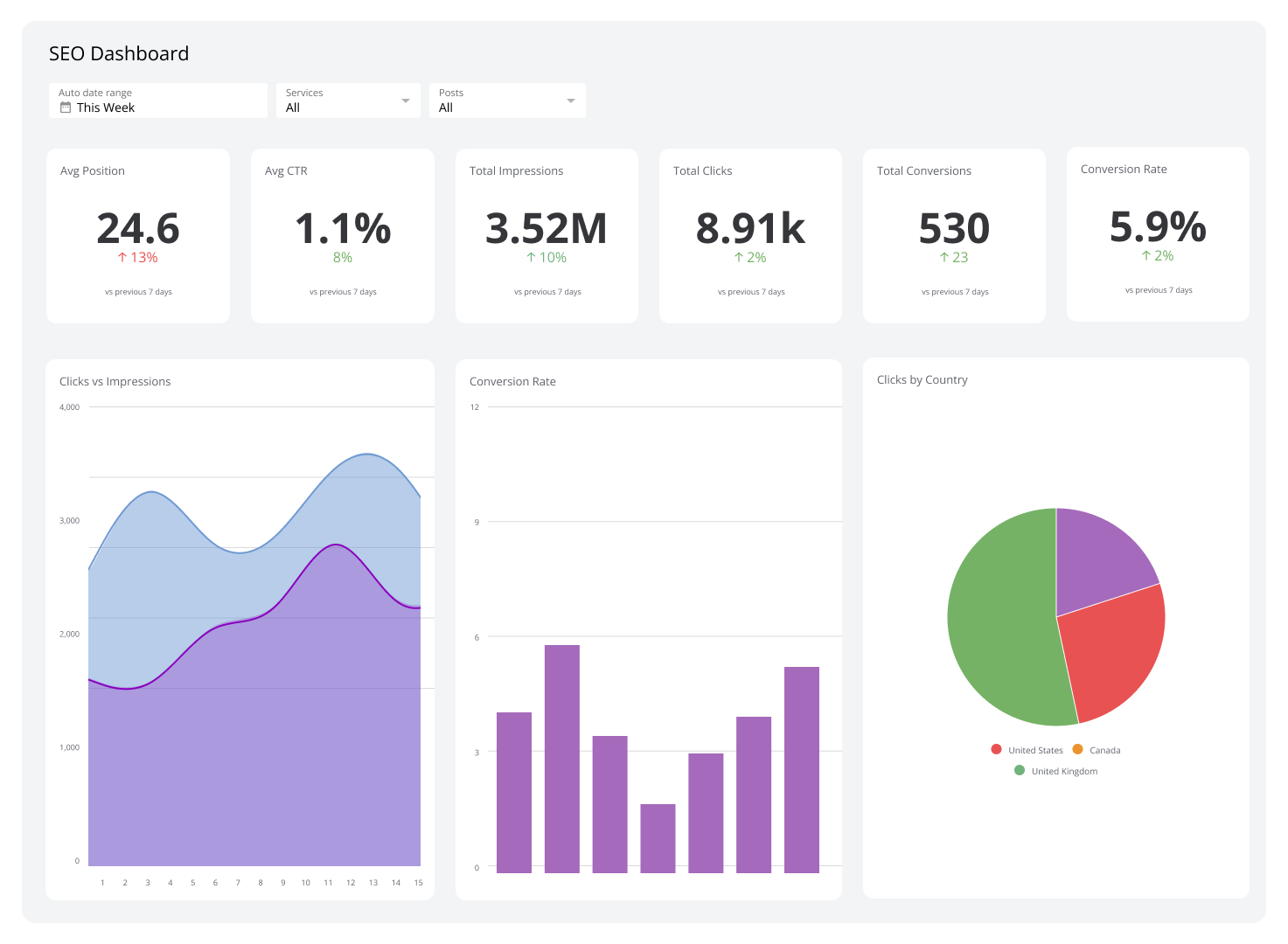
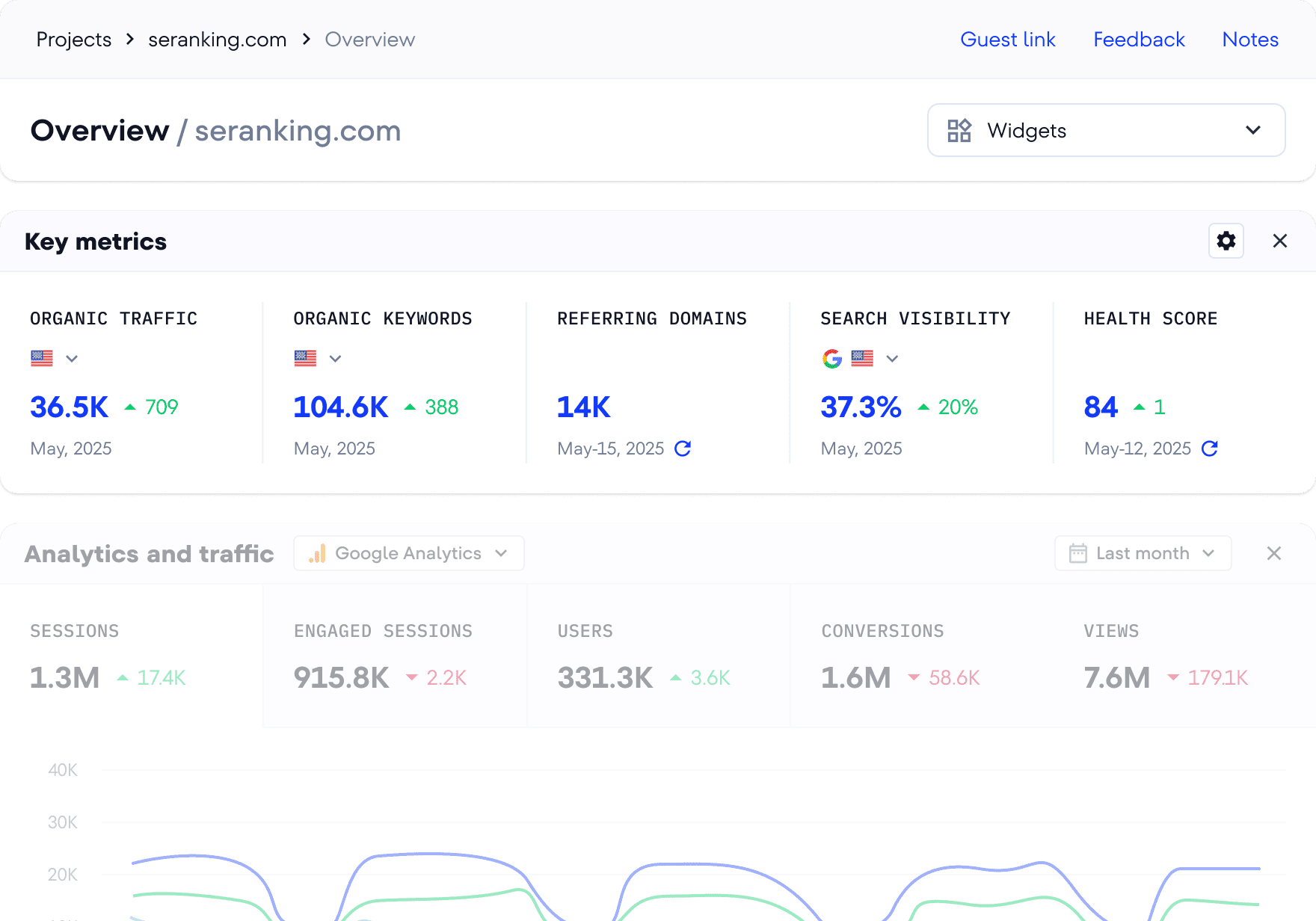
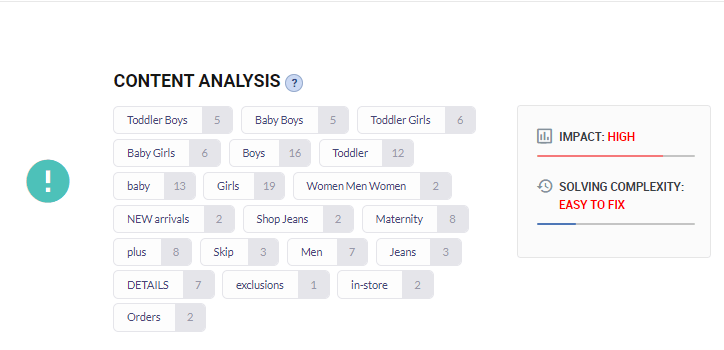
Free tools attract users with high commercial intent.
Best-performing tool types:
-
Keyword density checkers
-
Slug generators
-
SERP preview tools
-
Robots.txt testers
These tools rank fast, convert well, and build topical authority.
3️⃣ Data-Driven Pages Instead of Blog Content
Modern SEO favors dynamic value.
Instead of static articles, create pages that display:
-
SEO analysis results
-
Aggregated reports
-
Live tool outputs
This approach creates:
-
Unique content
-
Automatic updates
-
AI-resistant pages
Google treats these pages as data sources, not blogs.
UX & Technical SEO: Why Design Now Affects Rankings
Professional SaaS UI Builds Trust

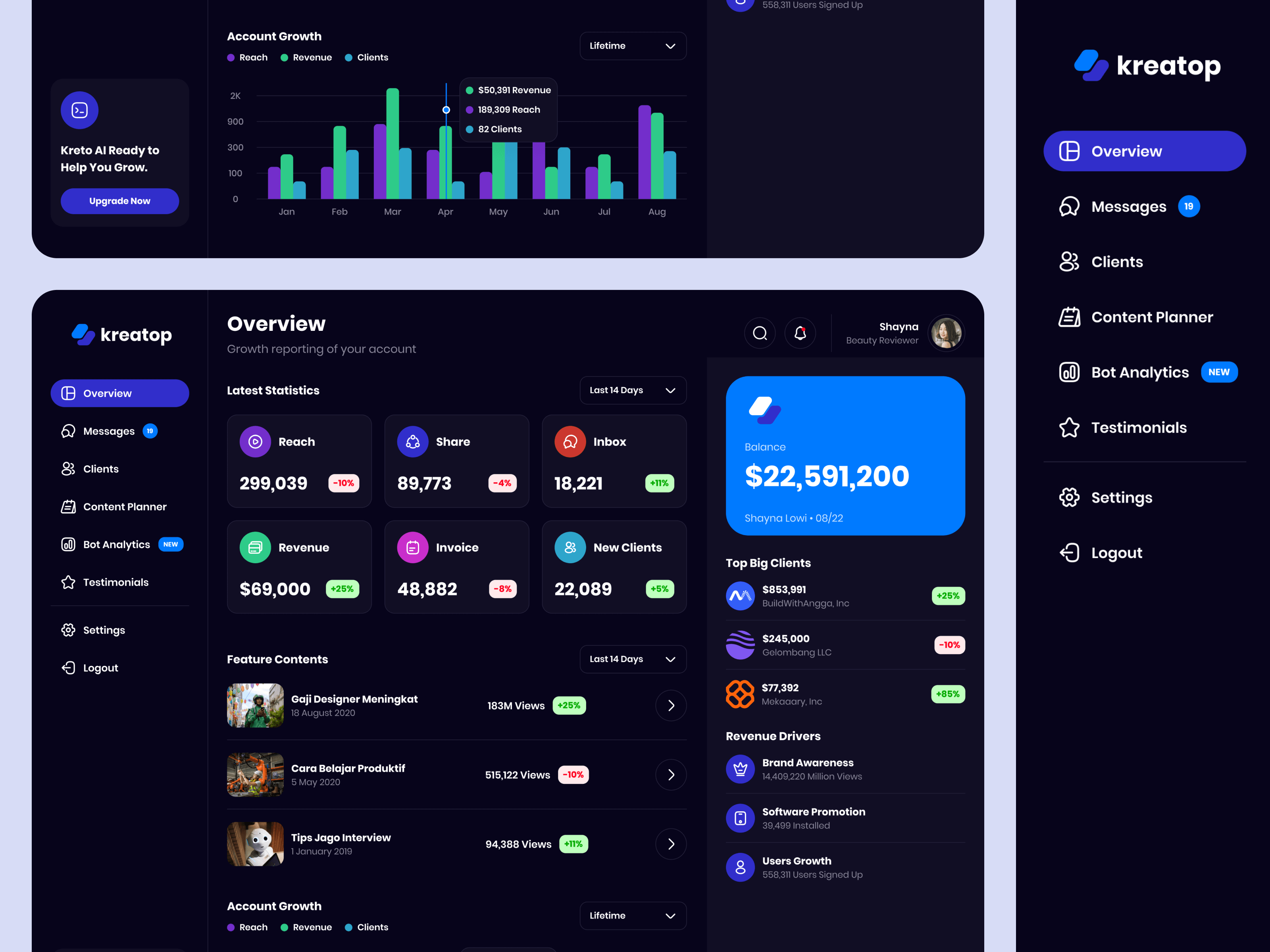
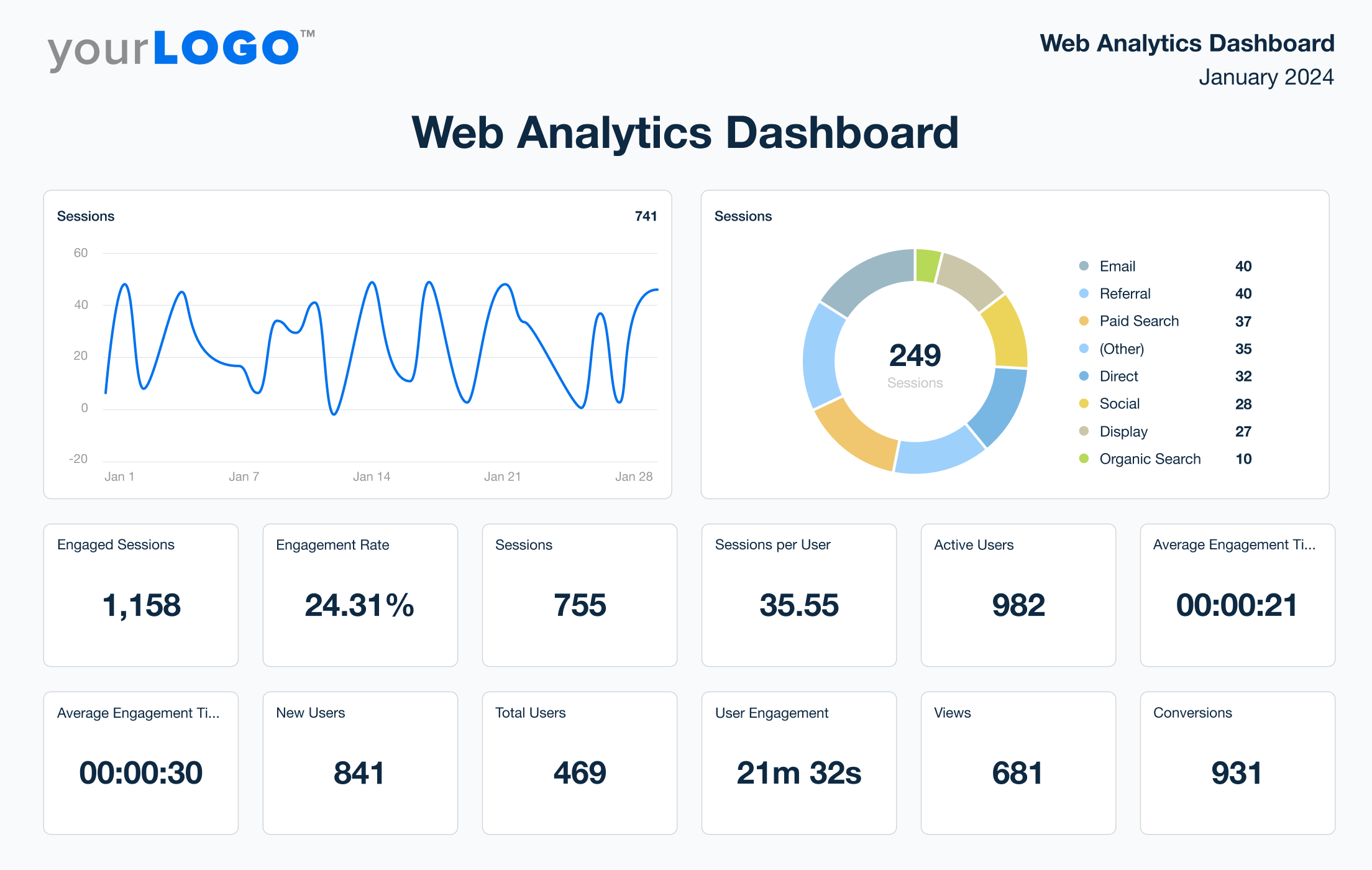
While Google doesn’t rank design directly, it measures the results of good design.
High-performing tool pages use:
-
Clear typography
-
Deep shadows
-
White space
-
Dashboard-style layouts
This improves:
-
Usability
-
Trust
-
Engagement
-
E-E-A-T signals
Real-Time Interactivity Is a Ranking Advantage
Pages that:
-
Load instantly
-
Avoid full reloads
-
Provide immediate feedback
Outperform static pages in:
-
Core Web Vitals
-
User satisfaction
-
Organic visibility
This is why modern SaaS tools rely on AJAX, React, or Next.js-style interactivity.
Schema Markup for Tool Pages
Every tool page should clearly signal its purpose to Google.
Recommended structured data:
-
SoftwareApplication -
WebApplication -
FAQPage
This helps Google:
-
Understand intent
-
Display rich results
-
Increase CTR
Real-World SaaS Examples Using Product-Led SEO
Zapier (Automation SaaS)
Zapier ranks for thousands of keywords by creating:
-
A page for every integration
-
A page for every trigger
-
A page for every automation workflow
Each page acts as a mini landing page with built-in SEO.
Snov.io (Lead Generation SaaS)
Snov.io dominates search results by:
-
Ranking tools, not articles
-
Targeting high-intent keywords
-
Offering immediate value
This model scales infinitely with Programmatic SEO.
Common Challenges & Smart SEO Solutions
Duplicate Content in Tool Pages
Fix it by:
-
Unique explanations per tool
-
Tool-specific FAQs
-
Different outputs and examples
-
Custom meta titles/descriptions
Free vs Paid Balance
Best practice:
-
Offer limited results
-
Show previews
-
Lock advanced features
Then guide users to upgrade through value, not pressure.
SEO Keyword Strategy (Optimized)
Primary Keywords
-
Product-Led SEO
-
Programmatic SEO
-
SaaS Growth Strategies 2026
Secondary & Semantic Keywords
-
UX-Driven SEO
-
AI-Resistant SEO
-
SEO tools platform
-
SaaS product-led growth
-
Interactive SEO tools
Visual SEO: Why Images Matter More in 2026
Avoid stock photos.
Use:
-
Real tool screenshots
-
Dashboard mockups
-
Interface previews
Visual professionalism increases:
-
Trust
-
Time on page
-
Conversion rate
Internal Linking Strategy
Link this article to:
-
Core tool pages
-
Feature pages
-
Use-case pages
This strengthens:
-
Topical authority
-
Crawl depth
-
SEO performance
Final Thoughts: The Future of SEO Is Product-Led
In 2026:
If your product doesn’t rank, your content won’t save you.
Product-Led SEO is the most scalable, AI-resistant SEO strategy for SaaS platforms.
It builds:
-
Sustainable organic traffic
-
High-intent users
-
Growth without ads
Tools are the new content.